Housing and pipework in West CovinaLocal Housing and Plumbing Context in West Covina
A home's build date is usually the best clue to what its pipes are made of, and what is likely to go wrong with them. West Covina homes in Los Angeles County span several build eras, so it helps to know which era your home belongs to.
Before the 1960s: galvanised steel. The oldest supply lines in the area are galvanised steel. It rusts from the inside, so the bore shrinks year by year, pressure fades gradually, and the water can run brown after the line has stood unused overnight. No repair reverses this: once galvanised pipe is rusting through, the lasting fix is replacement, and a planned re-pipe costs far less than an emergency one after a burst.
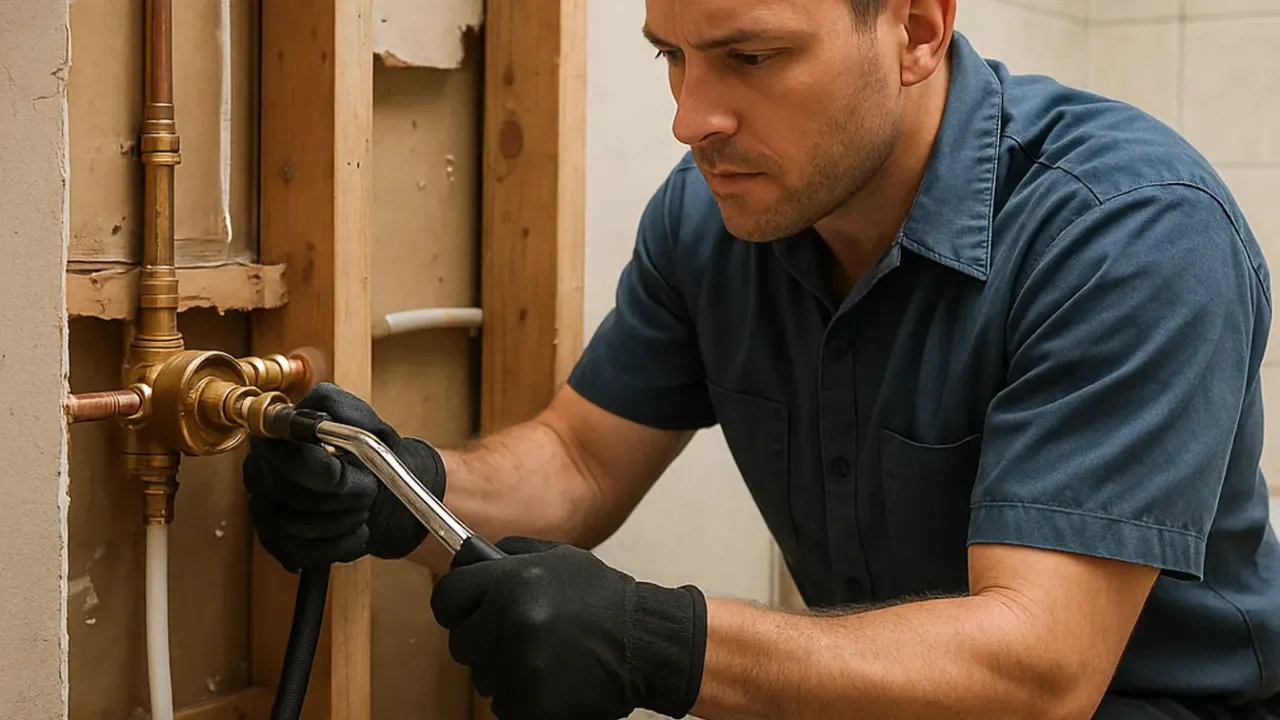
1960s to 1980s: copper. Most homes from this era use copper, which is durable and generally serves well for decades. Its weaknesses are specific: pinhole leaks where water chemistry is aggressive or where a run sits unused, and slab leaks where a copper run under a concrete floor has been weeping unnoticed. A damp patch, a warm spot on the floor, or a water bill that climbs for no reason are the signs to act on, and early detection is the difference between a localised repair and a major job.
1990s onward: PEX and CPVC. Plastic pipework arrived with the newest builds. It never rusts, never scales up the way metal does, and bends instead of bursting in a freeze. Its weak points are different: fittings and manifolds that deserve a periodic check, and any run left exposed to sun or weather, which turns brittle over time. Plastic is not a fit-and-forget material, it is simply a material whose failures look different.
What this means in West Covina. Southern California housing is dominated by post-war tract homes and later subdivisions, and the pipe era usually follows the build date. Pre-1960s homes may still carry galvanised steel, which corrodes from the inside, narrows, and shows up first as brown water or falling pressure. The large 1960s to 1980s tract stock is mostly copper, which is durable but vulnerable to pinhole leaks in hard, warm water, and to slab leaks where a run under the floor has been weeping unnoticed. Homes from the 1990s onward generally use PEX or CPVC, which resist corrosion and scale better and flex instead of bursting, though their fittings deserve a check and exposed plastic still degrades in the sun.
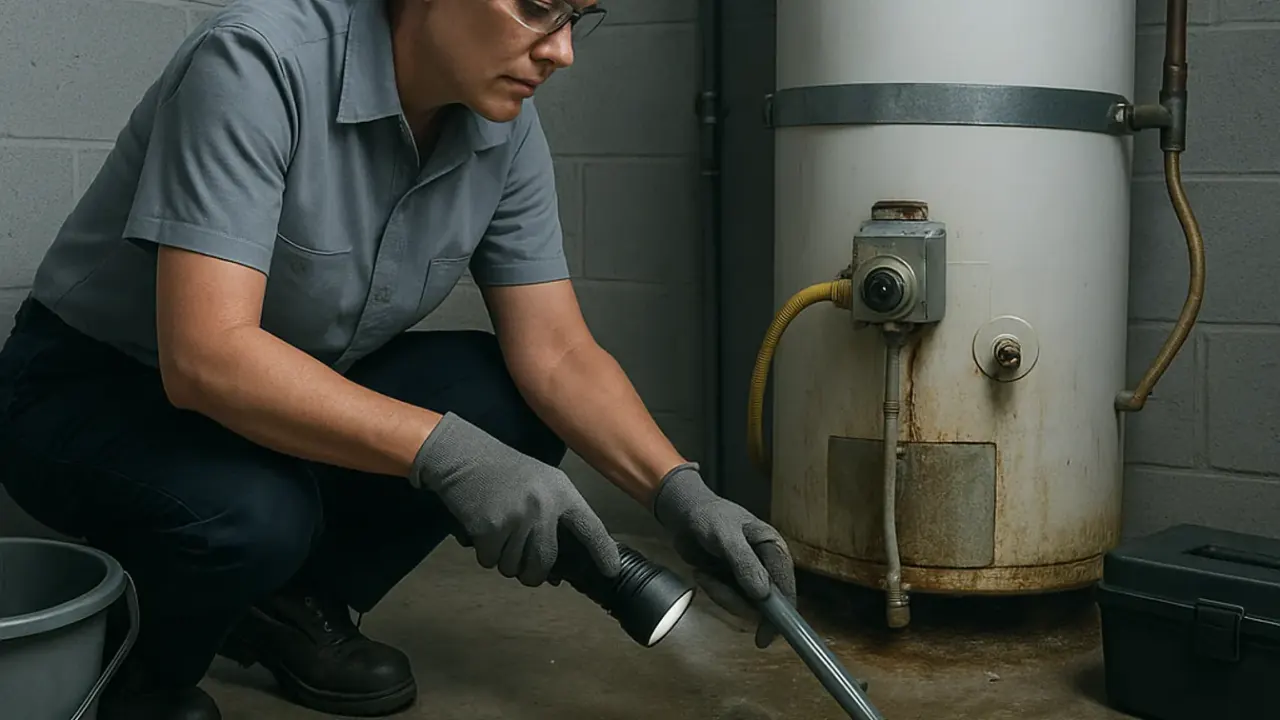
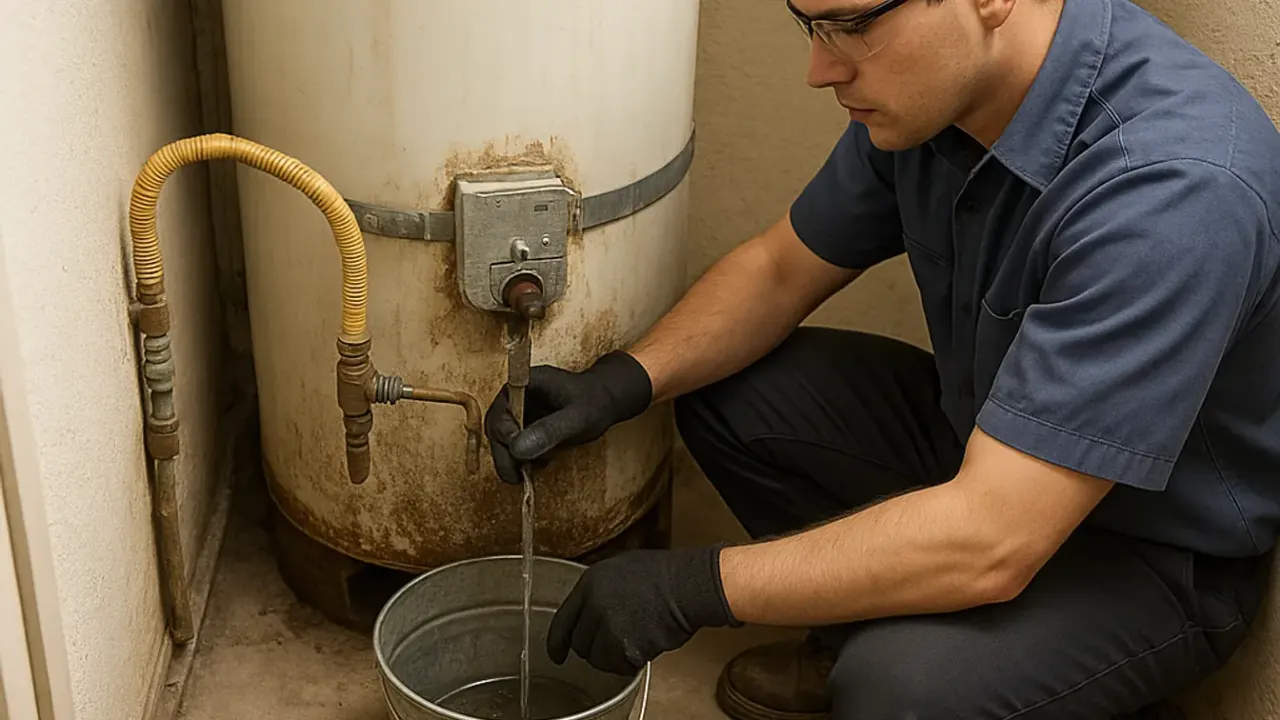
What to ask the technician. When we visit, ask what material your supply lines are, how old the water heater is, and whether the shut-off valves actually turn. Those three answers tell you more about the next five years of your plumbing than any inspection report, and they cost nothing to find out while the technician is already there.