Residential Plumbing
Home plumbing in El Dorado Hills is a mix of the everyday and the urgent: the tap that drips at night, the shower that runs cold, and the burst pipe that cannot wait. Our team handles all of it, and the price is agreed before the work begins, not after.
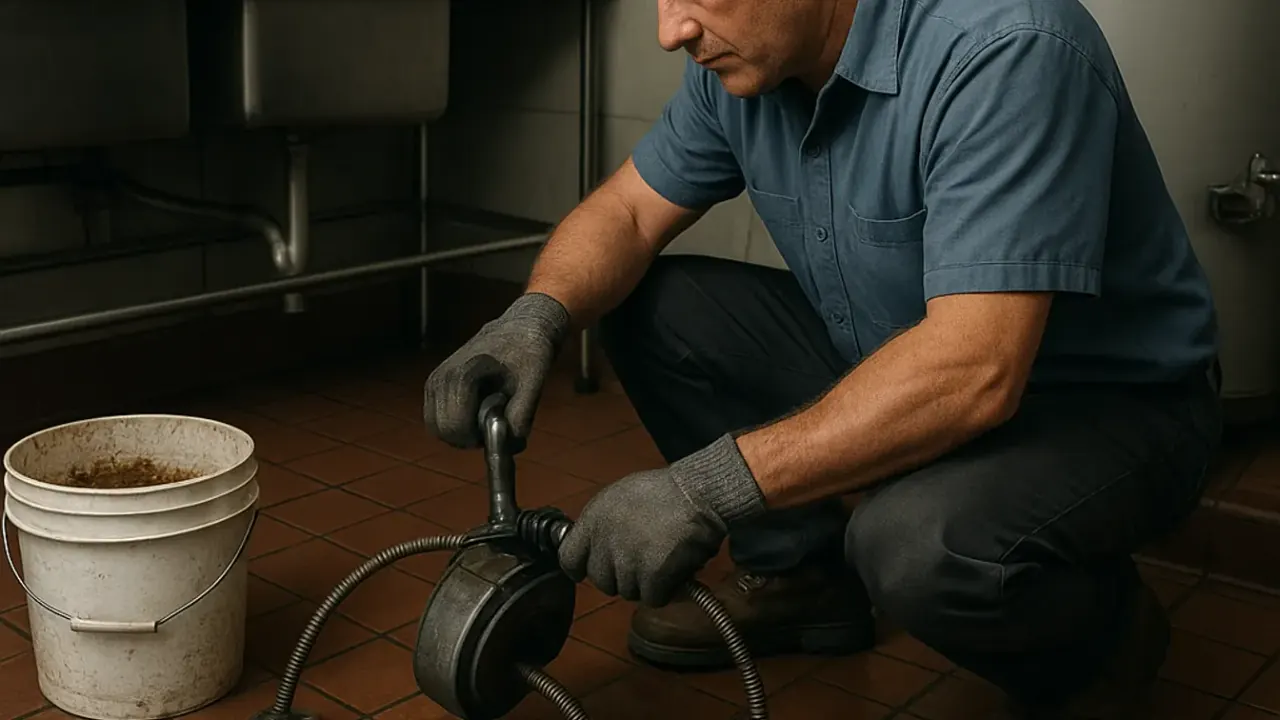
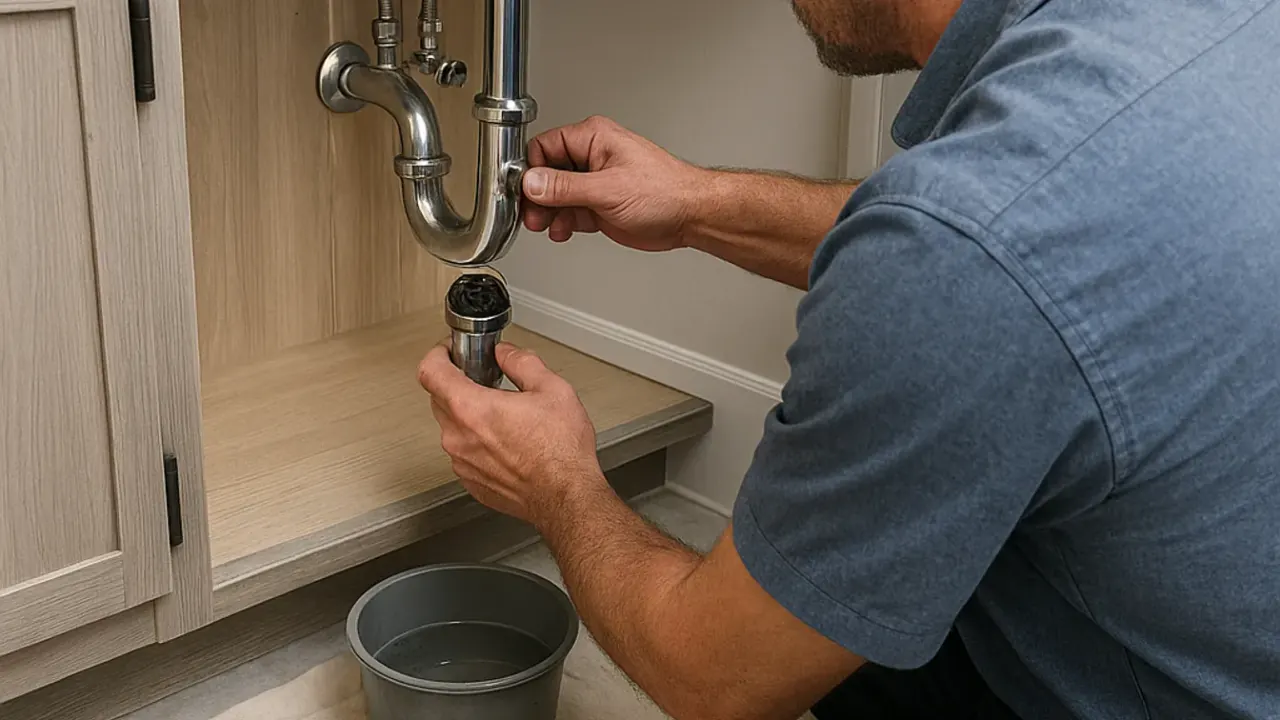
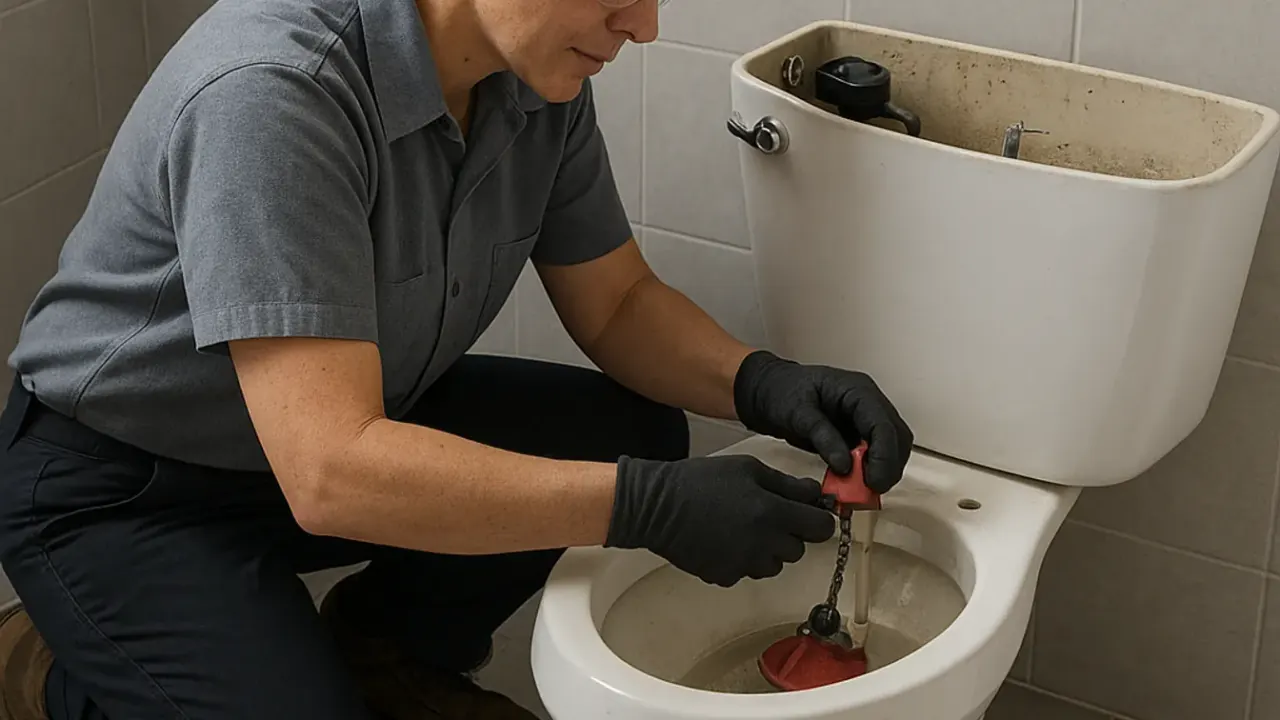
Routine plumbing maintenance
Scheduled checks catch worn parts and slow leaks before they shut a restroom or a kitchen down.
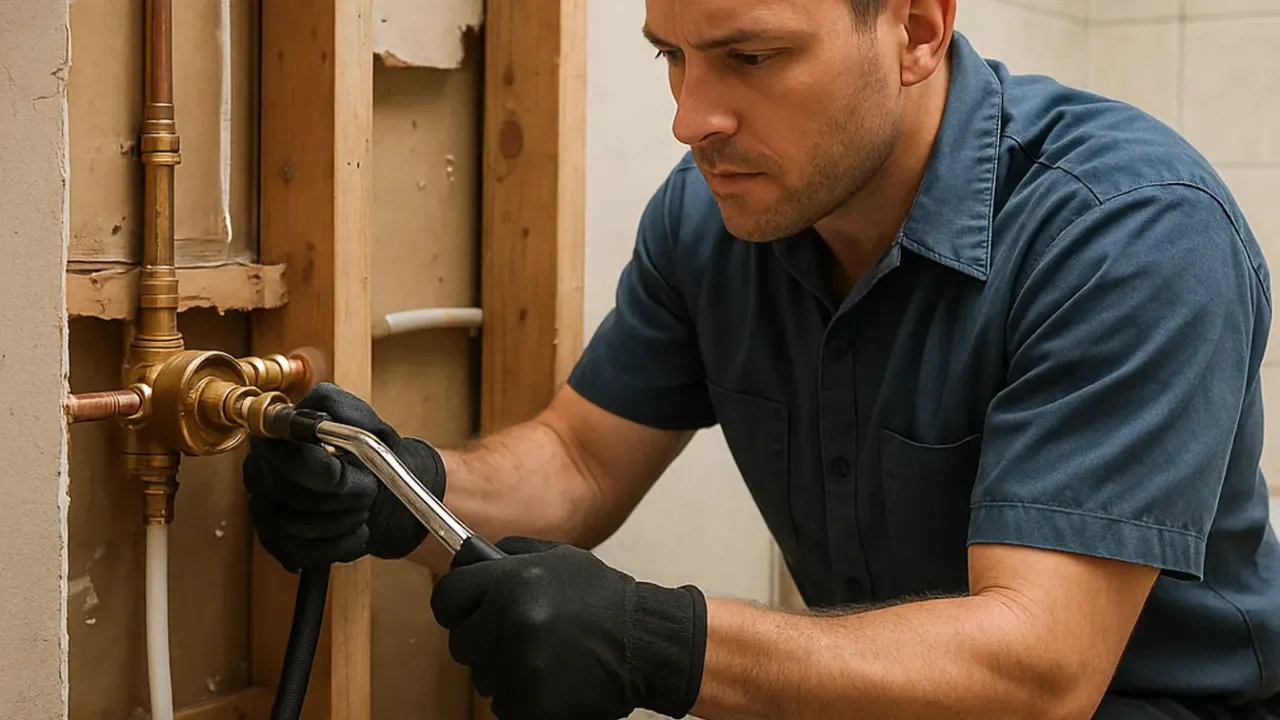
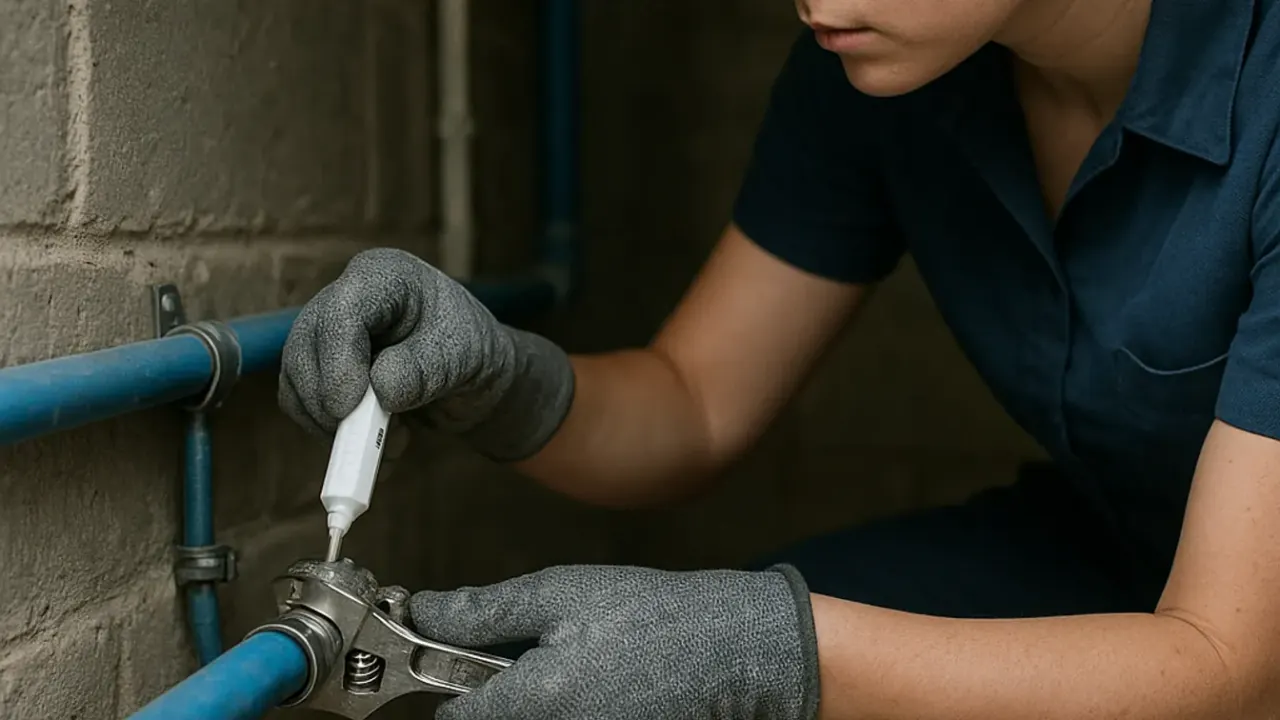
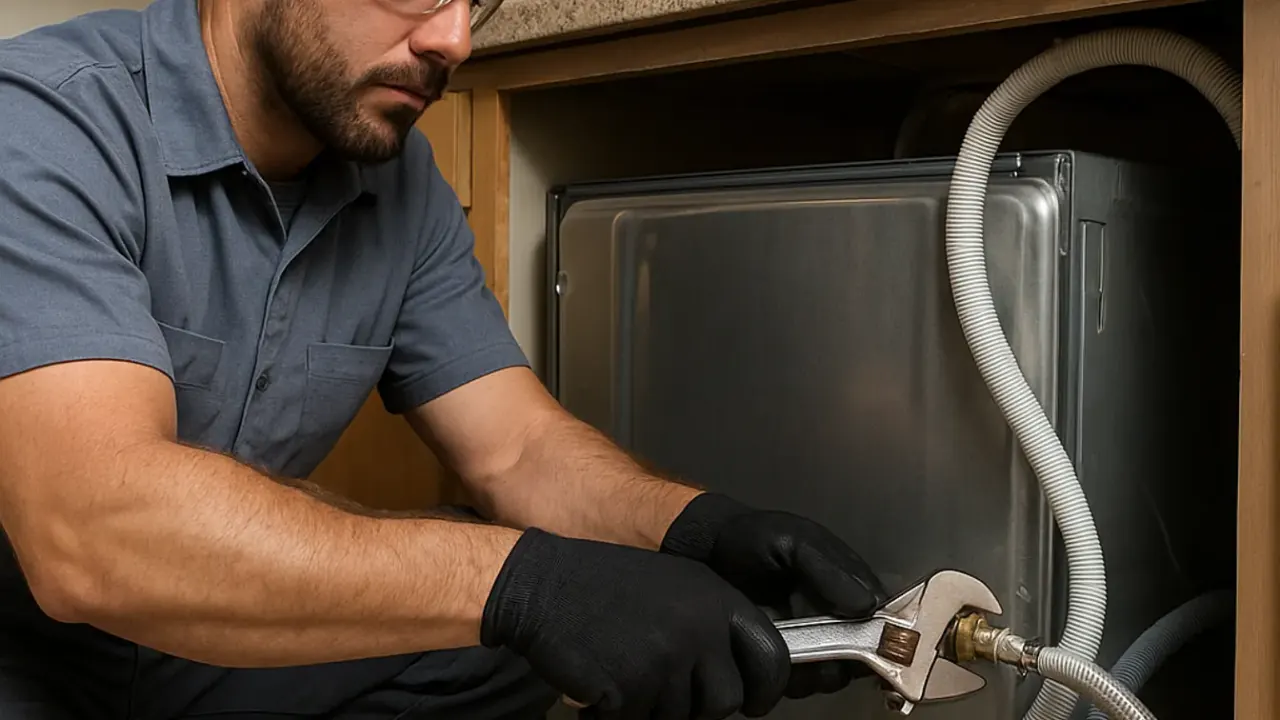
Emergency repairs
We answer fast and send the nearest technician, because every hour of downtime is lost trade.
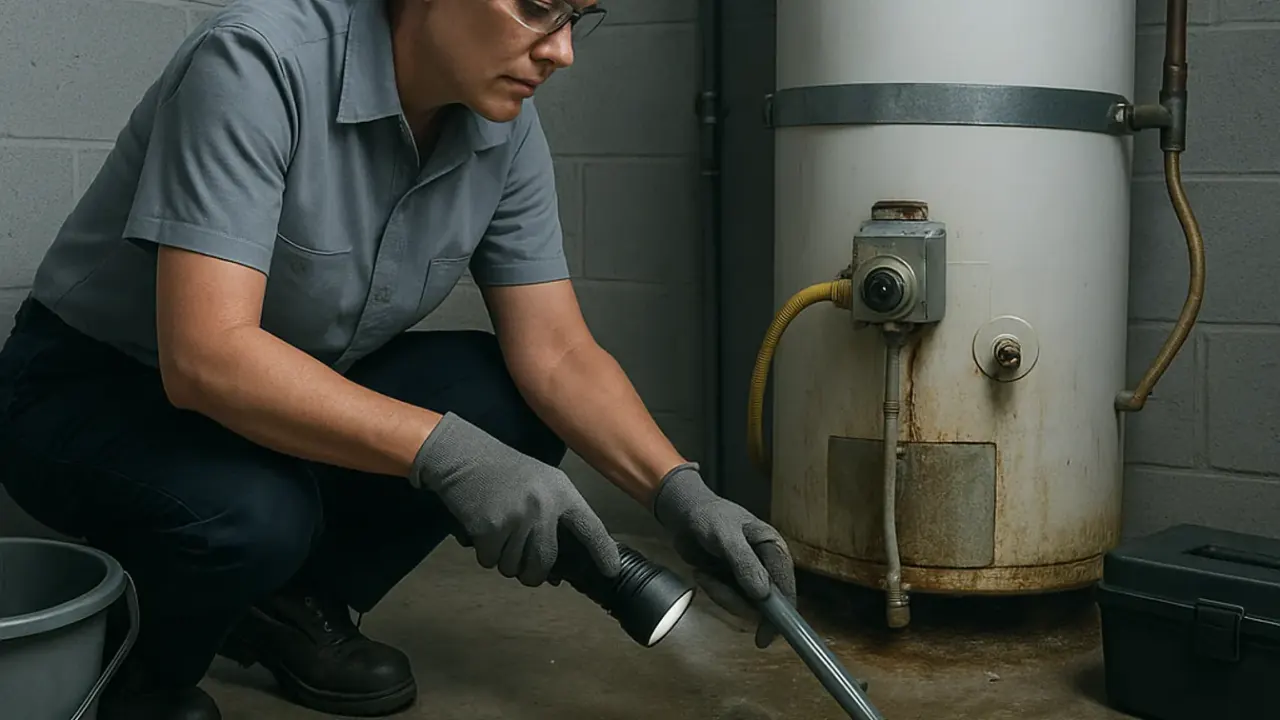
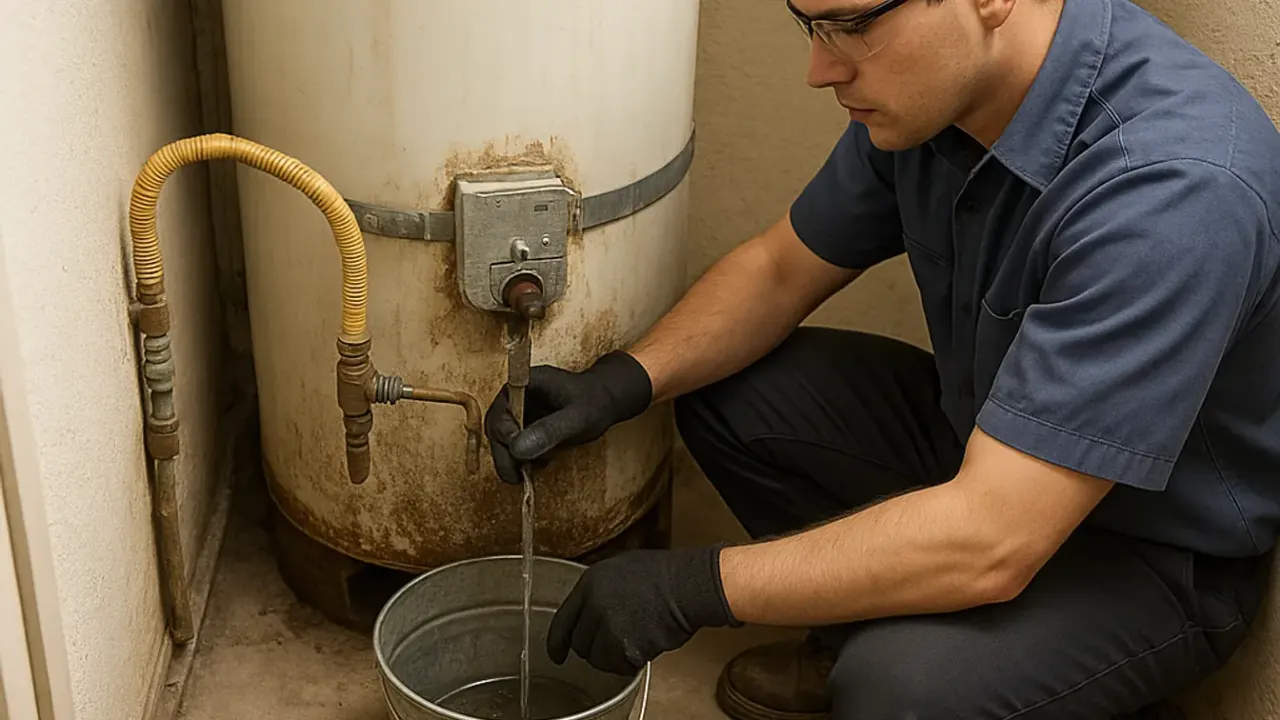
Water heater installation
New water heaters fitted and tested, sized for the household and installed with proper venting and safety checks.
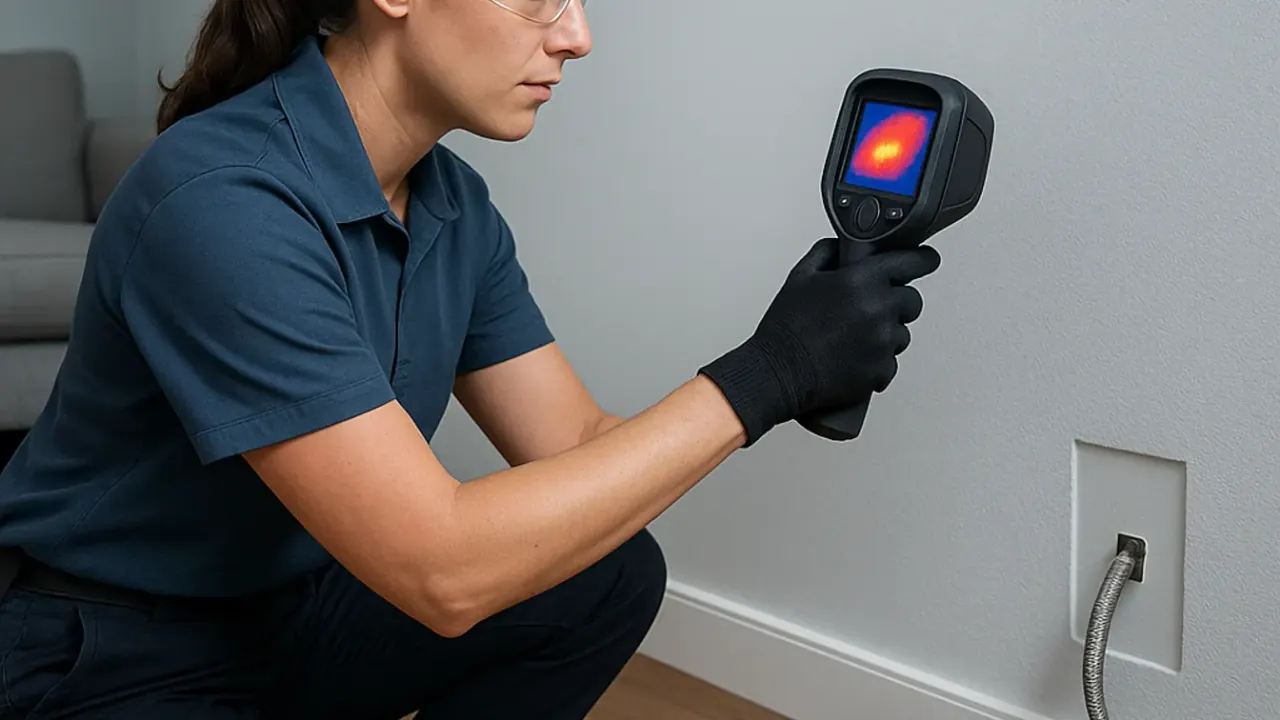
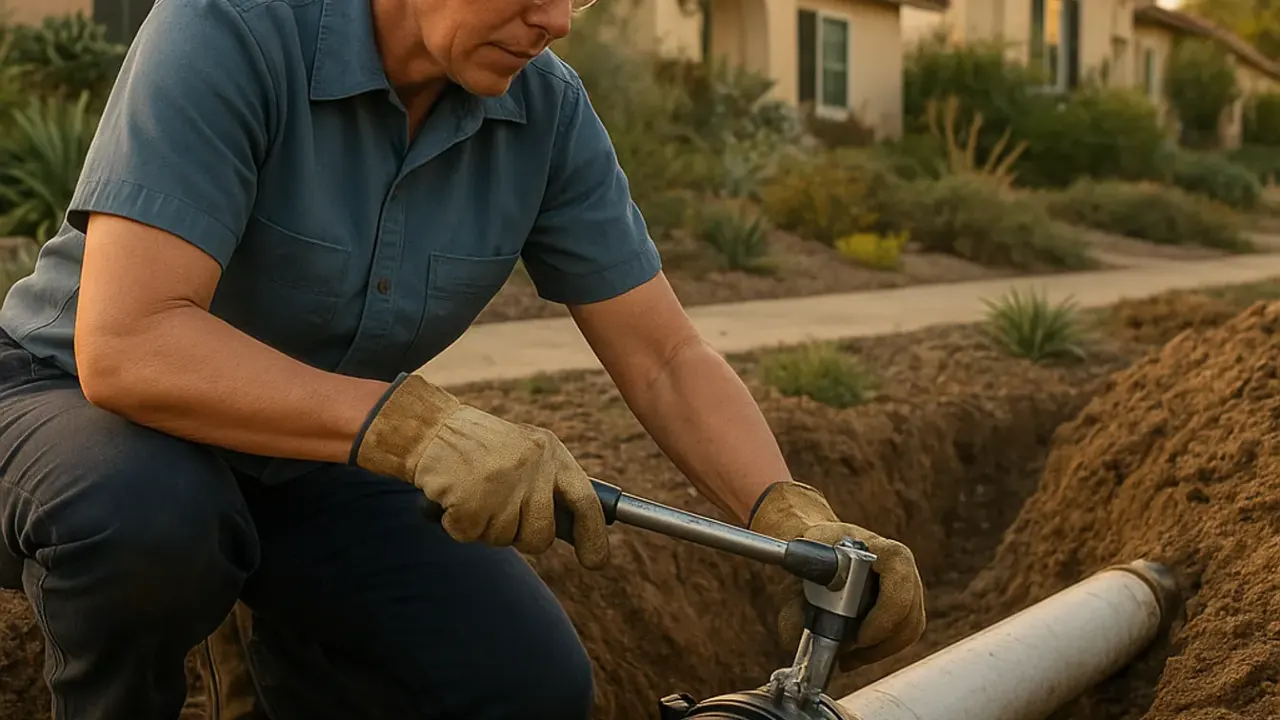
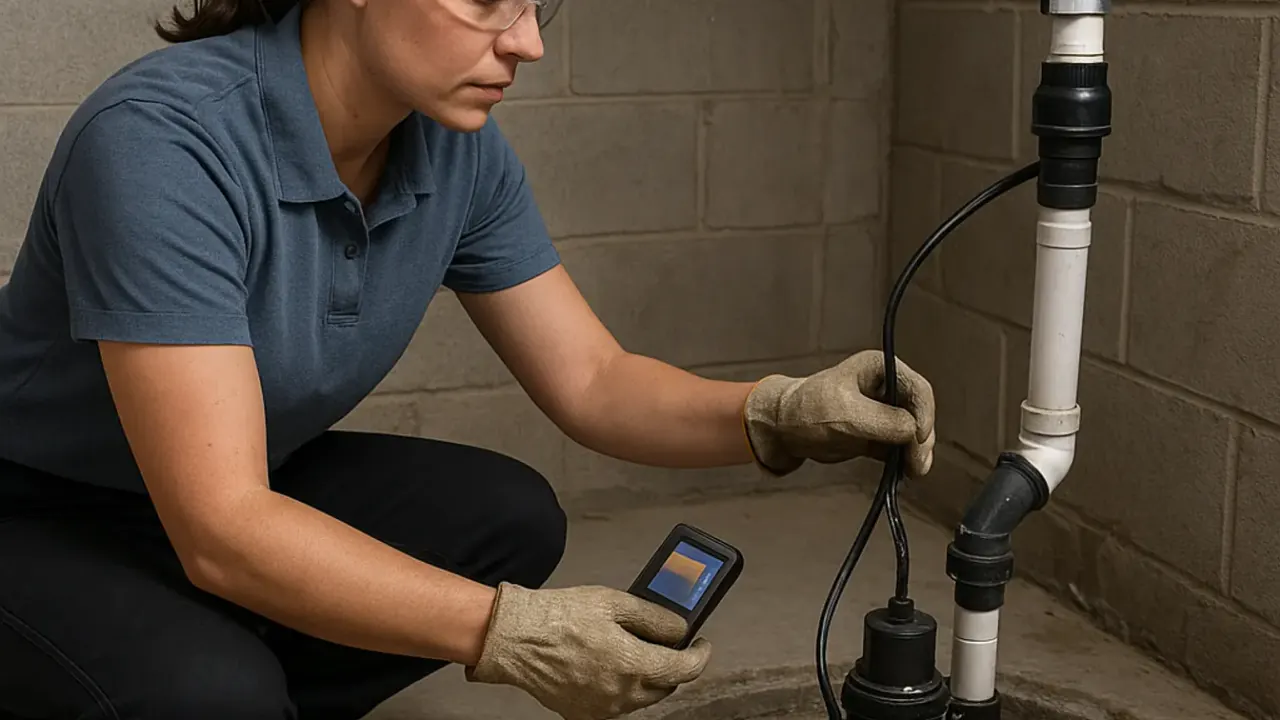
Leak detection services
We find hidden leaks with listening and pressure checks, then repair the failed section and test the line.
- Round-the-clock emergency cover when a home fault cannot wait.
- Straightforward guidance on keeping the home's plumbing in good order.
- Clear written prices before work begins, with no hidden extras.